2026
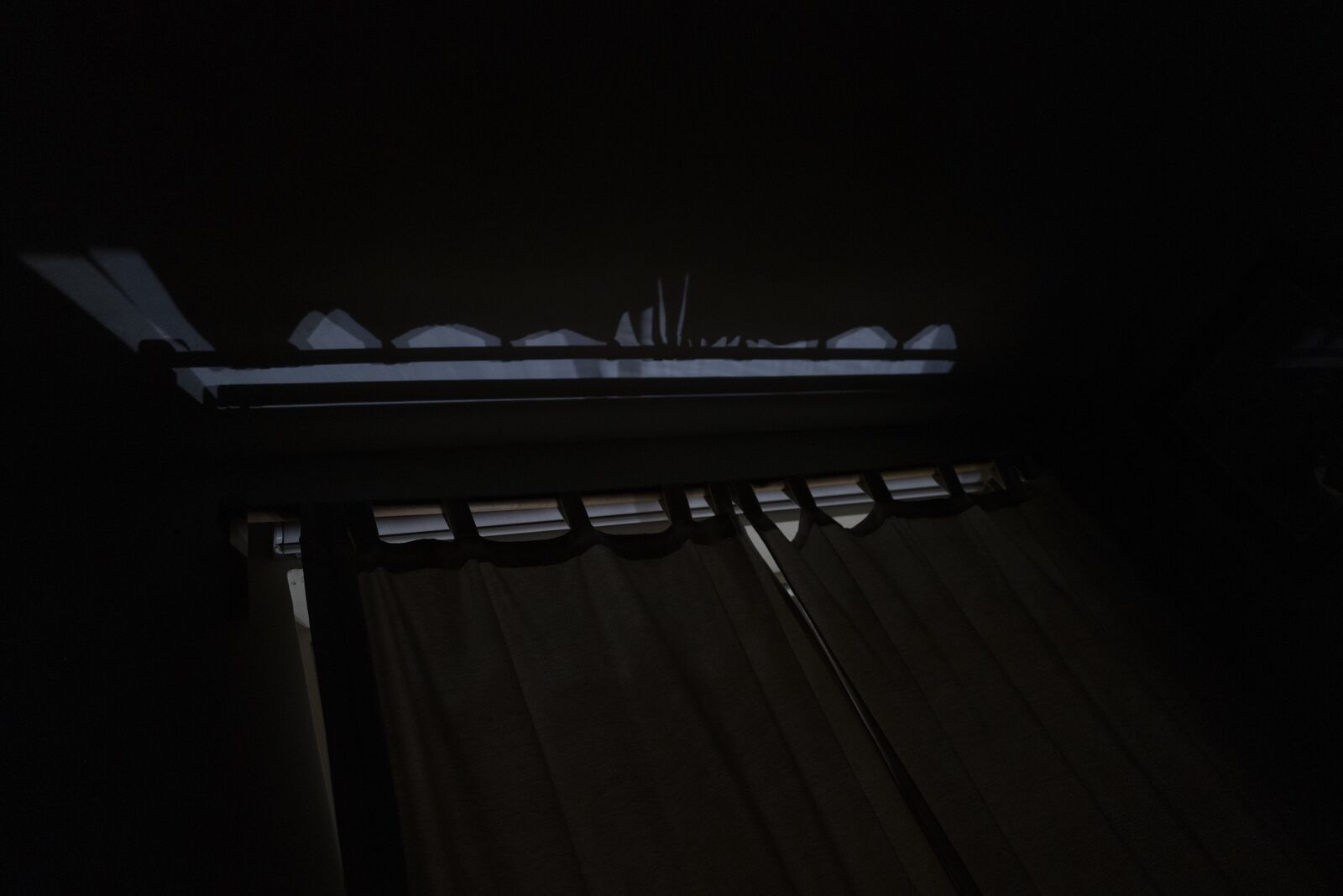
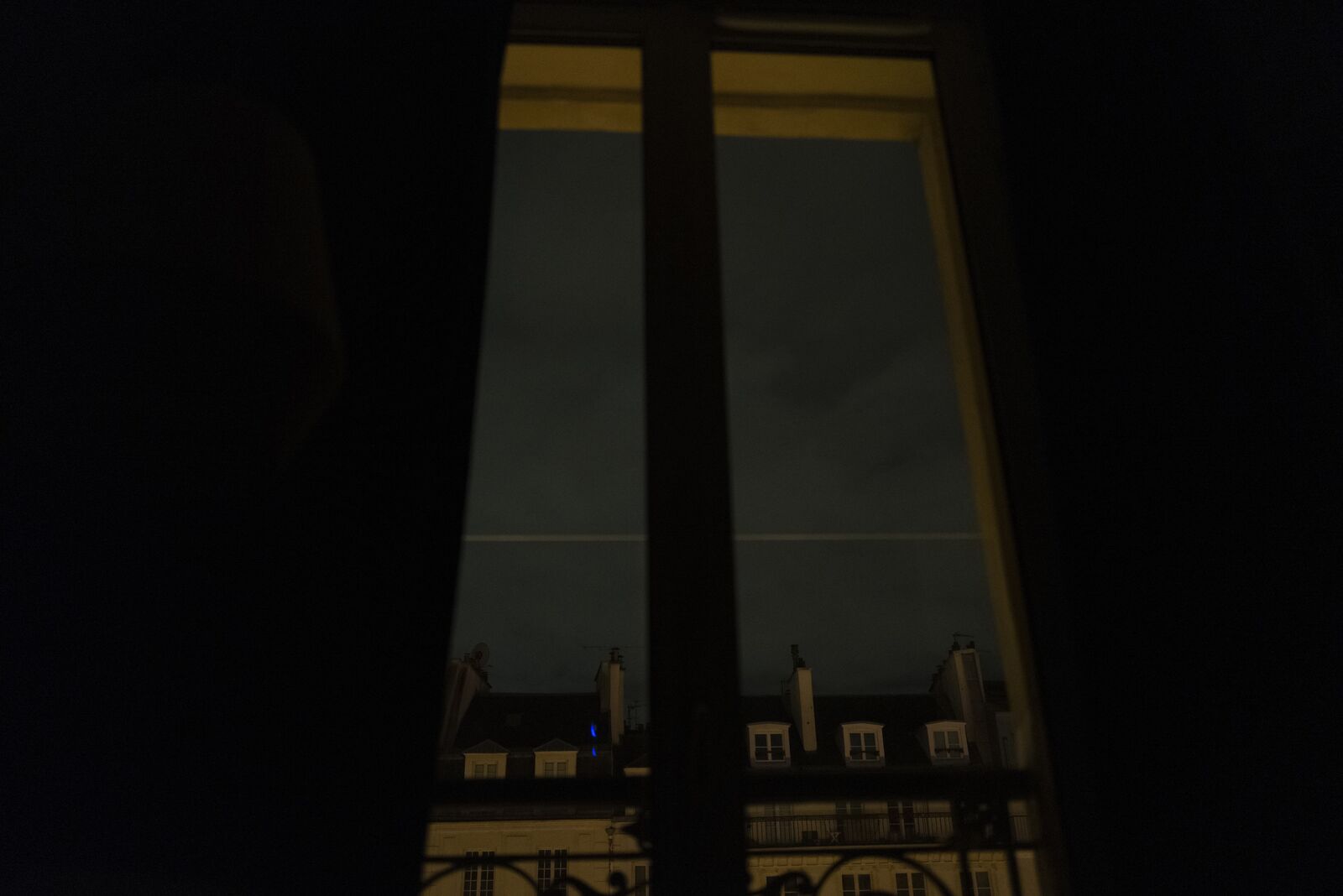
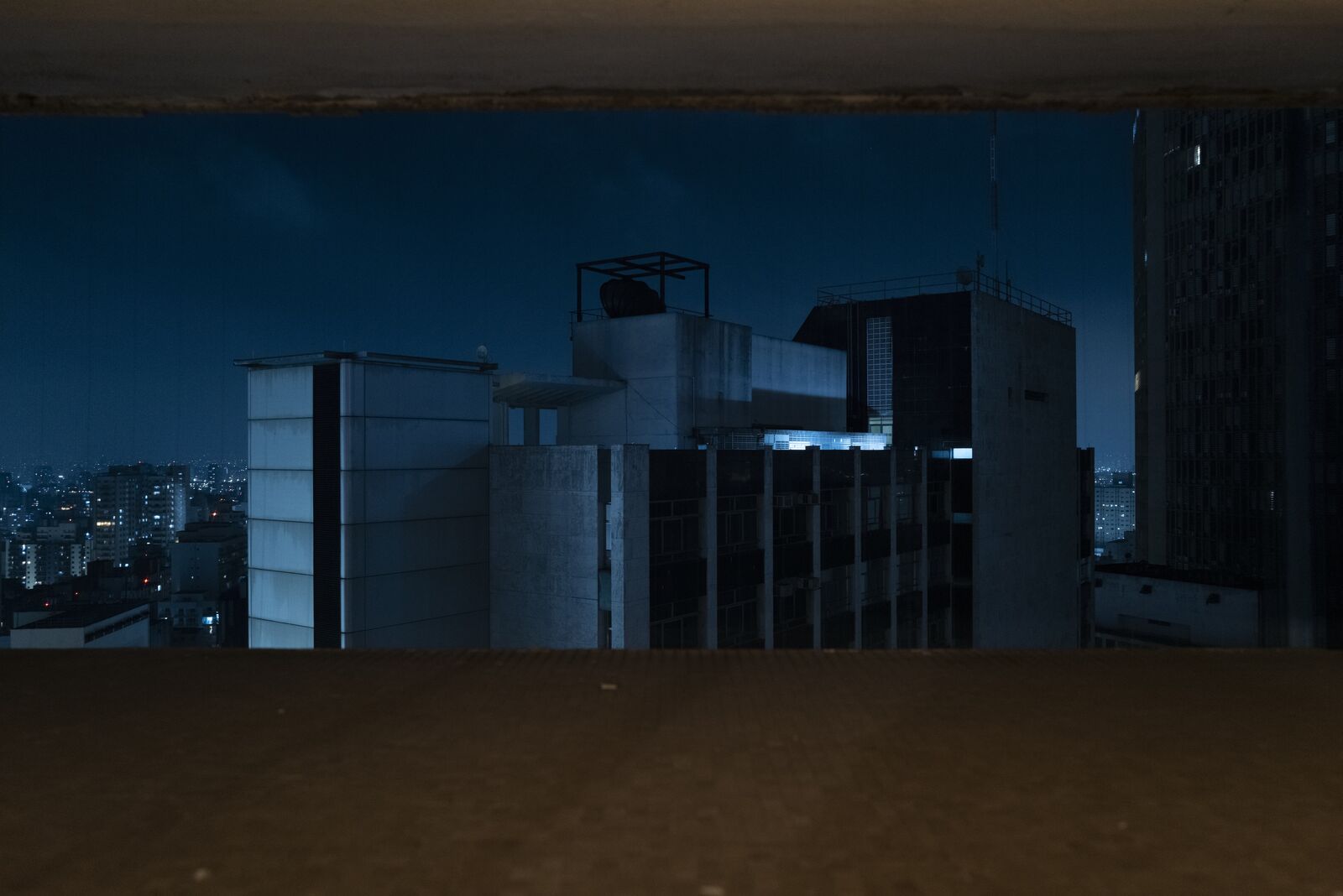
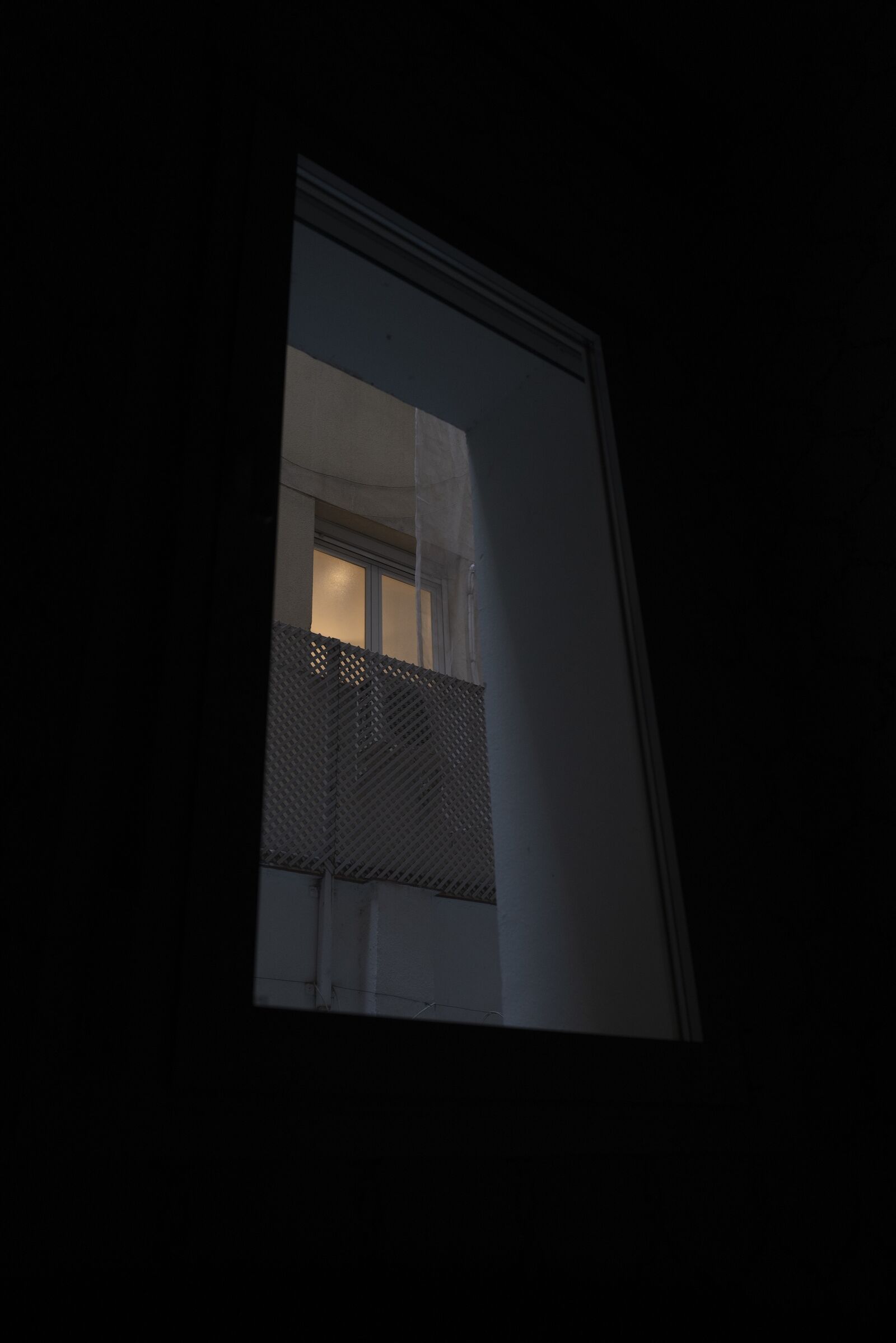
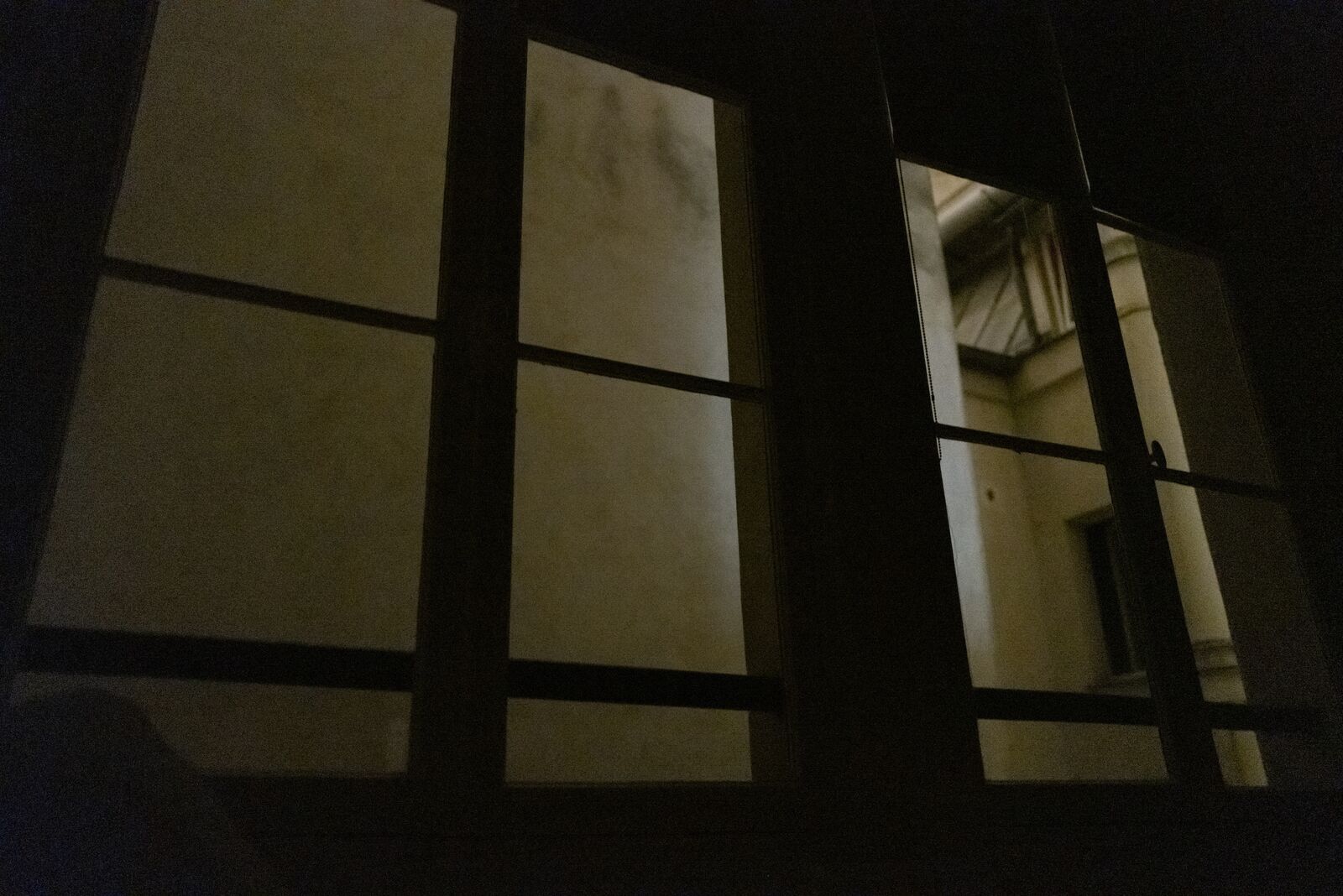
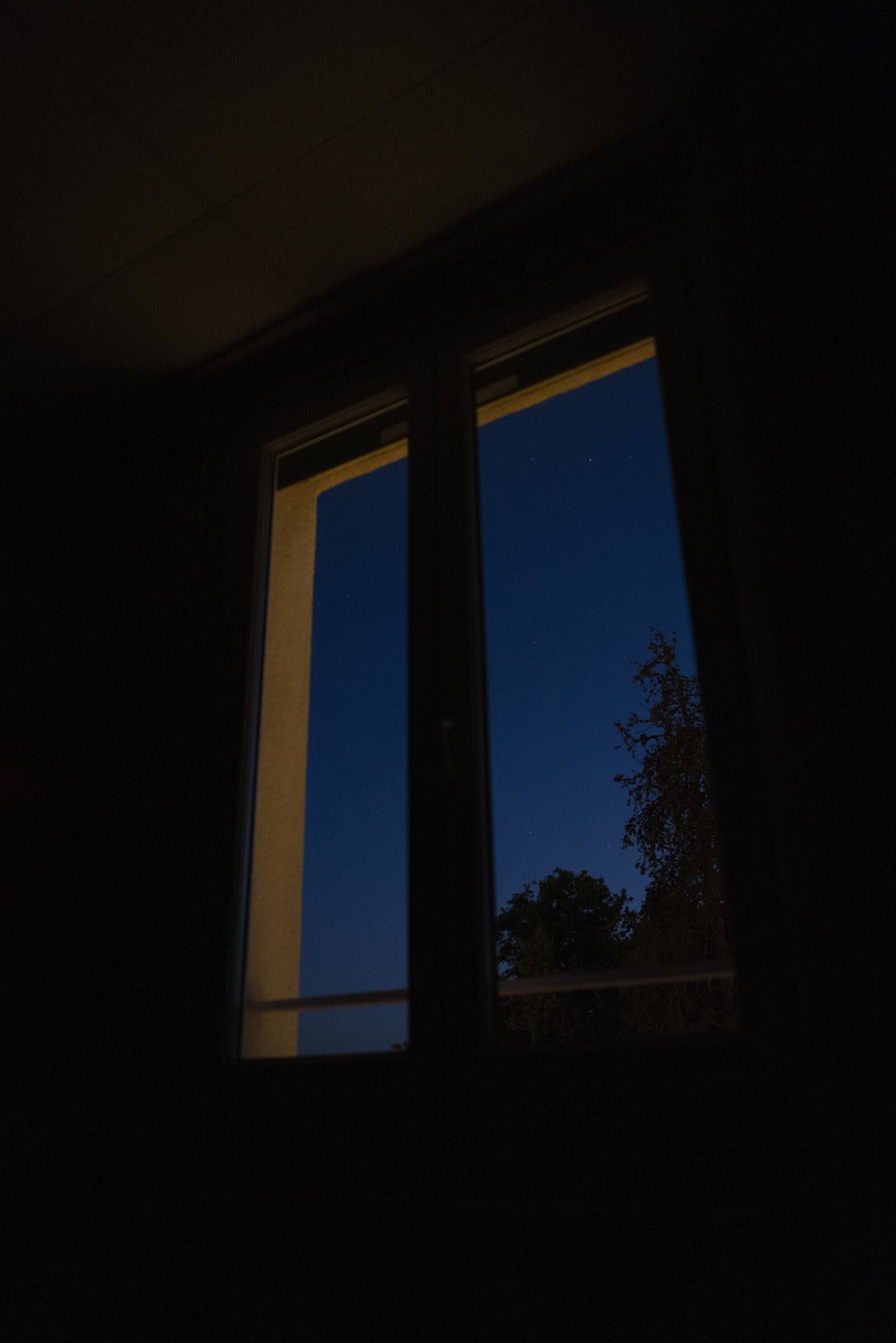
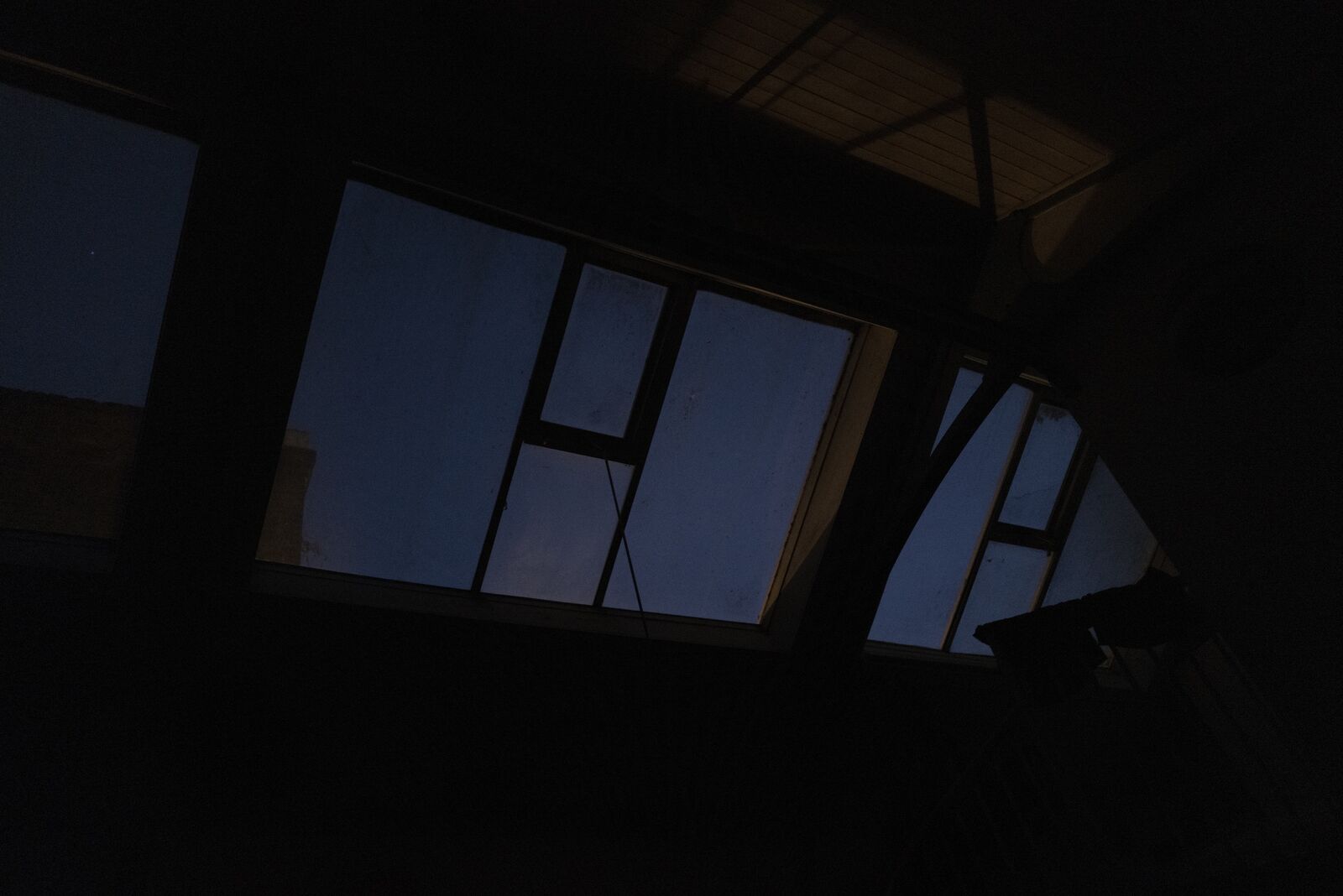
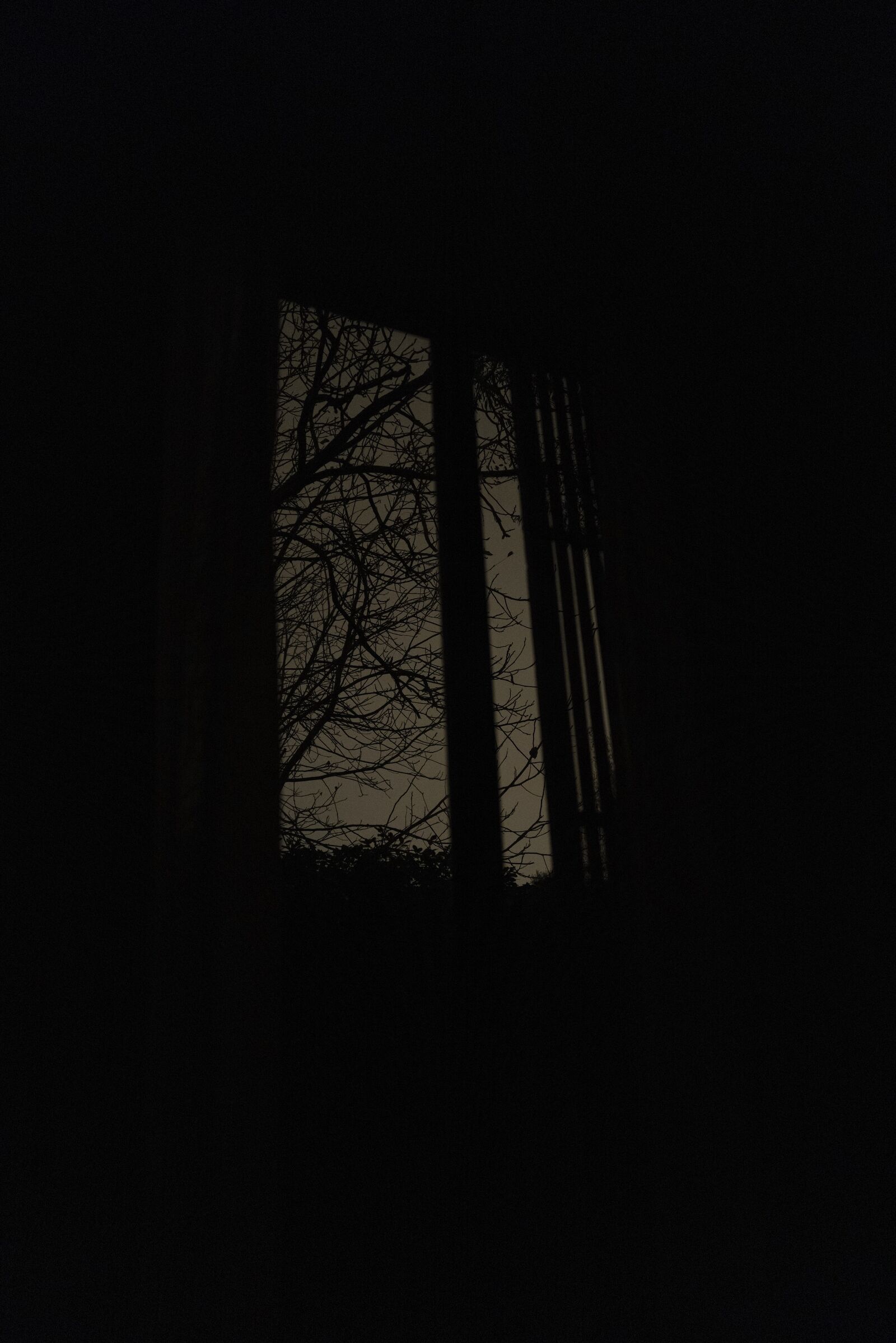
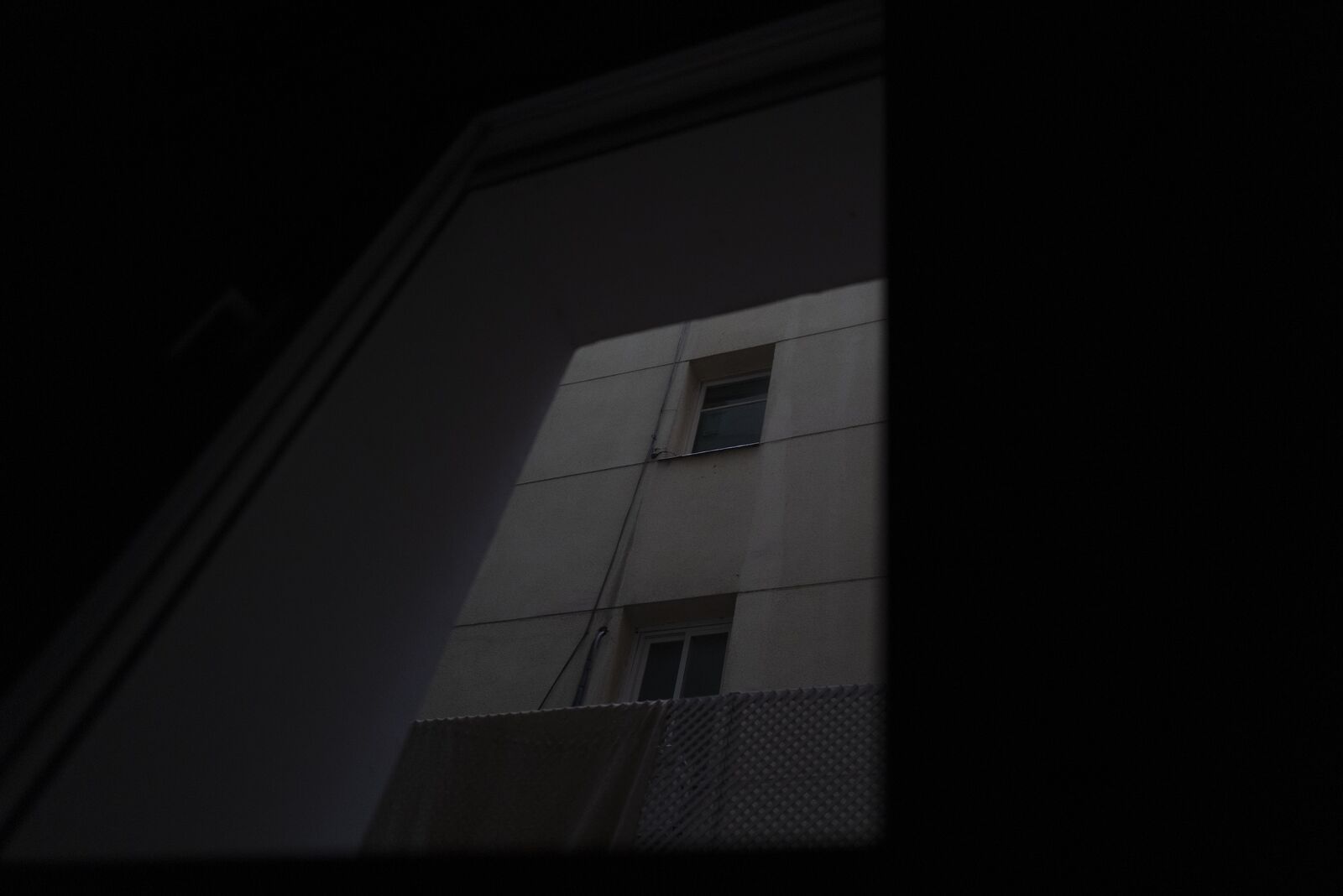
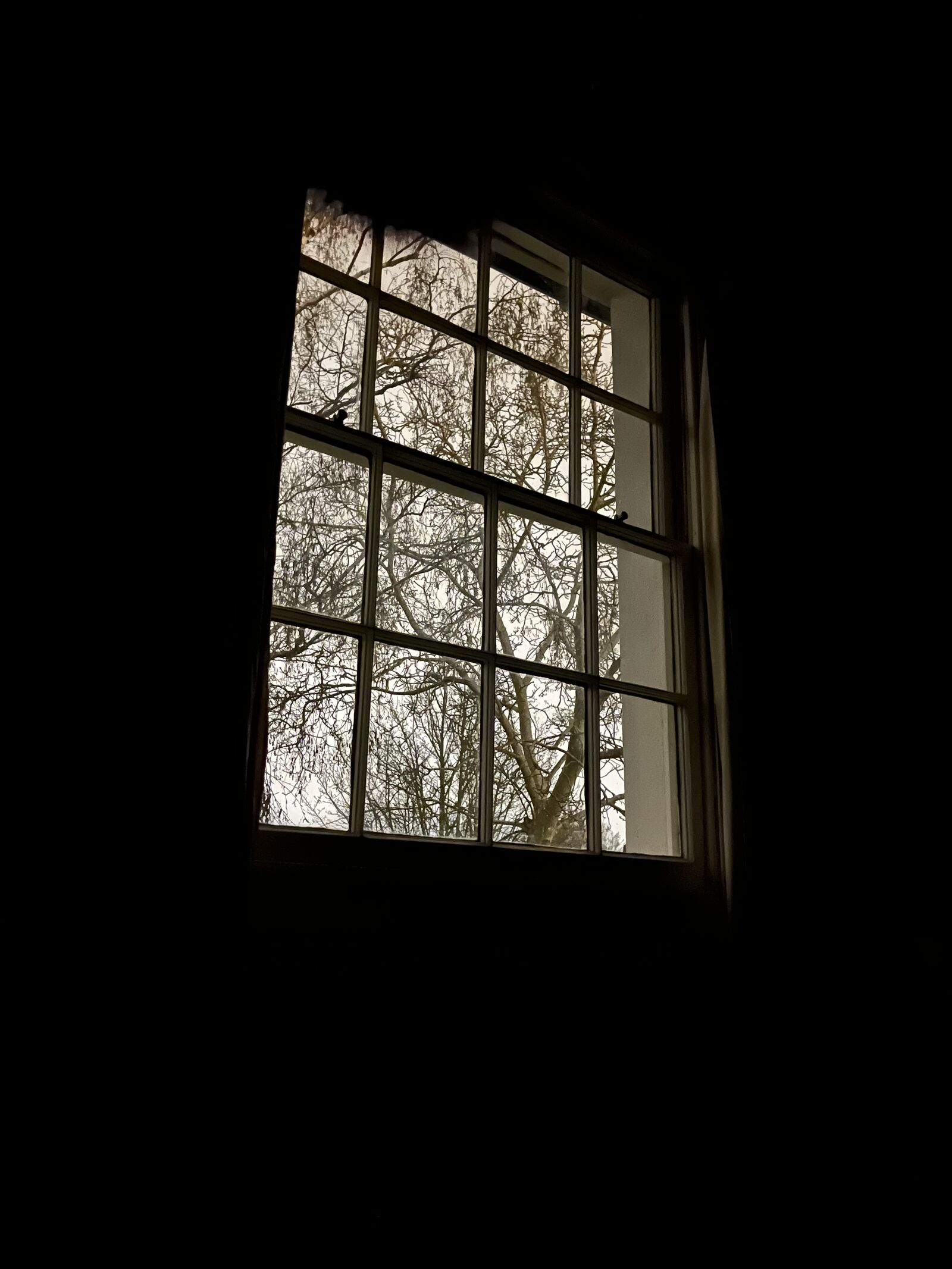
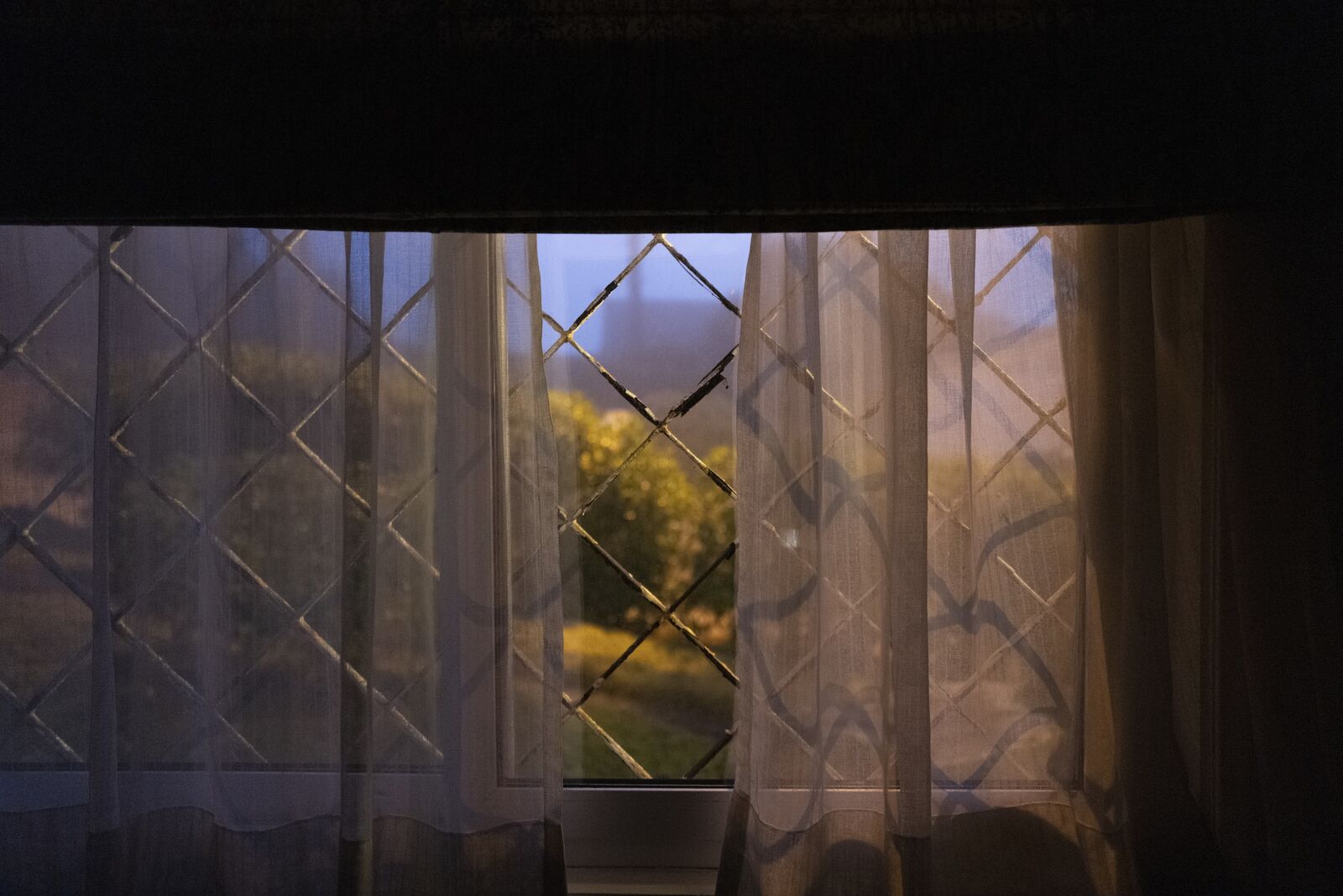
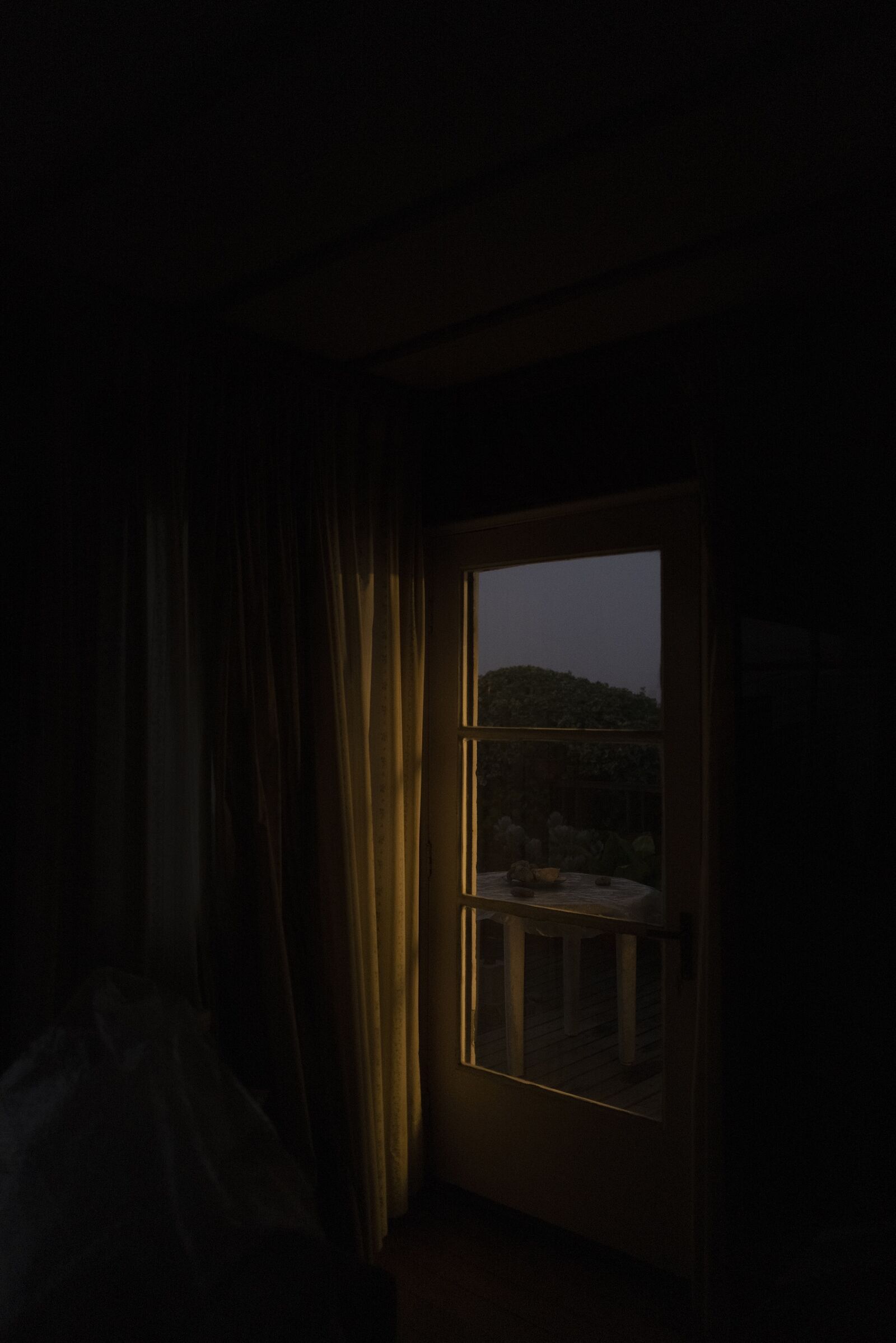
<p><strong>Sleeping Around</strong> is a journey and an oblique view of the art world, set within the context of fairs, biennials, exhibitions, and certain events that shape and establish the conventions through which the contemporary art market and its history are constructed.</p><p>There is something of a travel diary in this body of work—marked by movement between major art capitals such as Paris, São Paulo, Venice, London, Madrid, Arles, Maastricht, and Basel—but also an emotional journey between the lights and shadows of the personal and the professional.</p><p>Each image corresponds to a specific place: a stop in a hotel or at a friend’s house. They capture moments of waiting, wakefulness, reflection, or rest; before a day that promises to be extraordinary, or after a night of excess in which everything seems to lose its meaning.</p><p>Over the years, the initial curiosity and wonder of taking part in these cultural landmarks—in pursuit of beauty and opportunity—have begun to mingle with repetition, suspicion, and unease.</p><p>Rather than photographing what motivates the journey and the excess of information still waiting to be processed, the gaze now settles on what takes place at the margins: the stillness of a darkened room, seen from whichever bed happens to be mine, that place through which our hopes and disappointments pass.</p><p>The images are both a summary and an omission of everything I am unable to capture or would rather not reveal. They record the first or last view of the day: a fragmented gaze towards the outside, separated from the intimate space only by the fragile glass of a window. Through it, an unfamiliar landscape filters in, reminding us that we do not truly belong to that place beyond the time the party lasts.</p><p>The series draws on elements from <em>White Shadows</em> (2020) and <em>Art and Part</em> (2025), together with the inescapable reference to painting, which in this case emerges through the nocturne and abstraction. The texts and titles accompanying the images also introduce a dimension of humour and irony.</p><p>The strategy for escape is to return to the point of departure. The journey ends in a family home from childhood, now in the process of being dismantled: a place once our own and now distant, which once again reveals the lights and shadows that accompany us always, wherever we may go.</p>